

Ozempic launched in India: Diabetes injections starting at ₹2,200/week
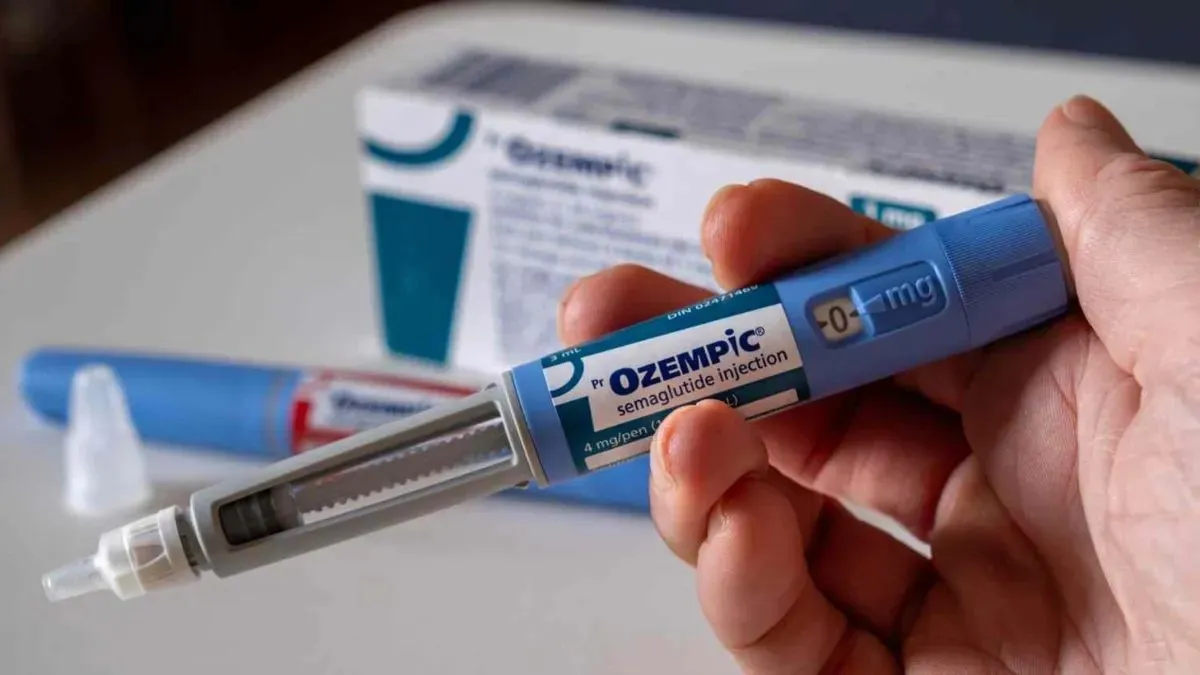
Danish pharmaceutical company Novo Nordisk has finally launched its much-anticipated diabetes drug, Ozempic, in India. The starting dose of 0.25 mg is priced at ₹2,200 per week. According to a Reuters report, the company will sell the injection in India in doses of 0.25 mg, 0.5 mg, and 1 mg. Ozempic is an injection for patients with type 2 diabetes and requires a weekly dose.
Ozempic Prices in India
This weekly injection for people with type 2 diabetes was approved by the US Food and Drug Administration in 2017. Since then, it has become a top-selling medication globally. Its appetite-suppressing effects have led to it being used non-traditionally for weight loss.
The lowest dose of the drug will be sold at a price of ₹2,200 per week. According to media reports, the company has also announced the prices of other dosages. According to the company, a 1 mg dose will cost ₹11,175 per month. A 0.5 mg dose will cost ₹10,170 per month. A 0.25 mg dose will cost ₹8,800 per month. The starting price for 0.25 mg on a weekly basis will be ₹2,200 per week.
When was Ozempic approved in India?
India's drug regulator, the Central Drugs Standard Control Organization (CDSCO), approved the use of Ozempic (semaglutide) for patients with type 2 diabetes in October this year. According to the FDA in the United States, Ozempic is taken alongside diet and exercise to help improve glycemic control in patients with type 2 diabetes and reduce the risk of major cardiovascular complications in patients with type 2 diabetes who already have heart disease.
How Ozempic Works for Weight Loss
Ozempic, whose active ingredient is semaglutide, was primarily developed to treat type 2 diabetes. However, it has also proven effective for weight loss, making it increasingly popular. Ozempic mimics the naturally occurring hormone GLP-1 (Glucagon-like peptide-1). This hormone is released from the intestines after eating. Ozempic sends a signal to the brain that you are full, making you less hungry and consuming fewer calories. It also helps reduce cravings for high-calorie foods.
This drug slows down digestion (called gastric emptying). This slowed digestion keeps you feeling full for longer, preventing frequent overeating and leading to less food overall. It stimulates the pancreas to release insulin when blood sugar rises. It reduces the secretion of the hormone glucagon, which prevents the liver from making excess glucose.
You Might Also Like
-
Experts state that as the prevalence of PCOS (Polycystic Ovary Syndrome) increases among women, i...
-
Many people are currently using copper vessels for health reasons. However, experts advise exerci...


Leave A Comment










Comments