

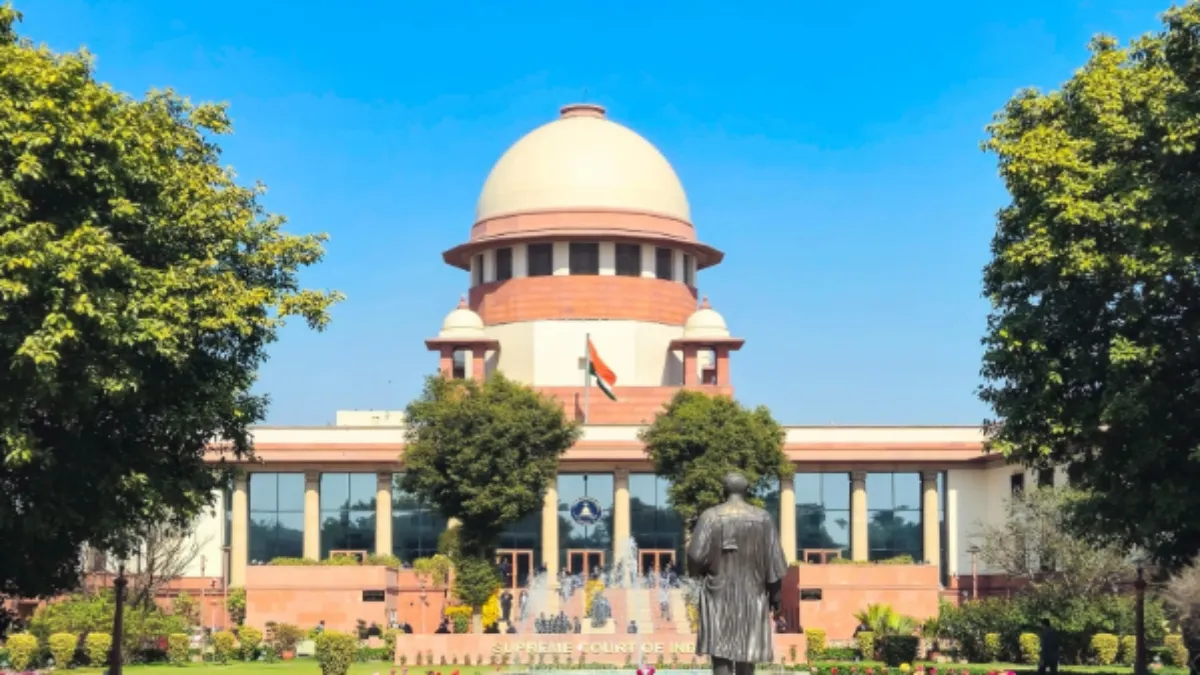

Supreme Court's crucial hearing on West Bengal SIR
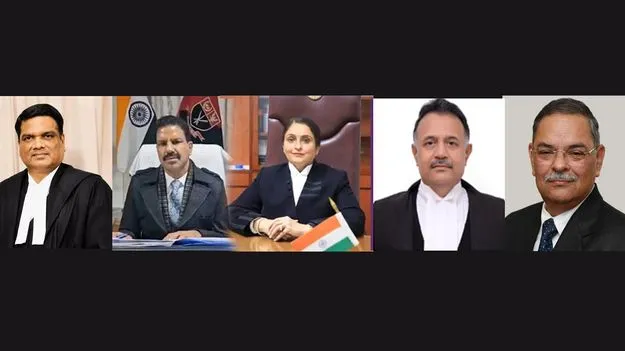
During the hearing on the Special Intensive Revision (SIR) matter concerning West Bengal, the Supreme Court raised several significant legal questions. The Court asked whether the judiciary could order fresh elections in cases where the number of voters allegedly removed exceeded the winning margin in various assembly constituencies. A bench comprising Chief Justice Surya Kant, Justice Joymalya Bagchi, and Justice V. Mohana raised these questions while hearing a petition filed by Senior Advocate Kalyan Bandyopadhyay on behalf of a Trinamool Congress (TMC) member.
**TMC Submits Details to the Supreme Court**
Representing the TMC petitioner, Senior Advocate Kalyan Bandyopadhyay presented detailed information to the Court regarding this issue. The submission highlighted 31 assembly constituencies where the winning margin of the victorious BJP candidates was less than the total number of voters removed during the SIR process. The bench clarified that it would not limit its scrutiny to just those 31 seats; instead, the Supreme Court intends to examine all cases pending before the appellate tribunals in West Bengal to ensure their timely resolution.
**Supreme Court Raises Questions**
In response to these arguments by the TMC, Chief Justice Surya Kant orally remarked, "You may file a petition regarding this, but can the Court order fresh elections in such a manner?" The Chief Justice inquired whether the aggrieved candidates had filed formal election petitions challenging the winners in those 31 constituencies; the counsel replied that while election petitions had been filed for some seats, they had not been filed for all of them.
**Court Asks: How Many Filed Appeals?**
Justice Joymalya Bagchi emphasized the need to assess exactly how many individuals had filed appeals against the removal of their names from the voter list. The court emphasized that if a voter whose name was removed accepts the decision without appealing, any challenge to the result based on that fact remains merely a theoretical issue. However, if the names of 100 people were removed, the winning margin was 50, and 60 or 70 of the excluded voters filed appeals that are currently pending, then challenging the deletion process becomes a substantive and highly significant matter.
You Might Also Like
-
Heavy rainfall is expected in several states across the country today. The India Meteorological Depa...
-
During the hearing on the Special Intensive Revision (SIR) matter concerning West Bengal, the Suprem...

Leave A Comment







Comments